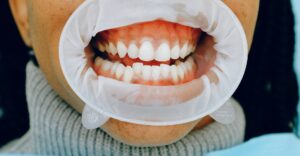
Many adults are exploring orthodontic options to enhance their smiles and oral health. Selecting the right type of braces can greatly impact the treatment experience and outcomes. Understanding the different types of braces available helps in making informed decisions that align with personal needs and preferences.
Explore orthodontic options
Interest in orthodontic treatments among adults has increased as more individuals recognize the benefits of improved dental alignment. While traditionally associated with adolescents, braces have become a viable and appealing option for adults seeking aesthetic and functional improvements. Deciding on the appropriate type of braces requires careful consideration of various factors including comfort, visibility, and lifestyle compatibility. In this context, understanding the differences among options such as traditional metal braces, ceramic braces, lingual braces, and white metal braces becomes crucial. Each type presents unique advantages and challenges, guiding you toward the choice that best fits your personal needs.
Traditional metal braces and their benefits
Traditional metal braces remain a popular choice due to their effectiveness in treating complex dental issues. These braces consist of high-grade stainless steel brackets and wires that gradually align teeth through consistent pressure. Metal braces can offer significant benefits for adults as well. They are highly durable and tend to be more cost-effective compared to other options.
However, some adults may hesitate to choose metal braces due to their noticeable appearance. Advancements have made them less obtrusive than before, featuring smaller brackets and customizable colors. Despite their visibility, many find them a reliable option for achieving desired results efficiently. Additionally, maintenance involves regular visits to the orthodontist for adjustments, ensuring effective progress throughout the treatment.
One of the key advantages of traditional metal braces is their versatility in addressing even the most severe orthodontic cases. Unlike some modern alternatives that may have limitations with complex misalignments, metal braces can effectively correct overcrowding, significant gaps, overbites, underbites, and crossbites. The robust nature of the metal brackets and wires allows orthodontists to apply precise and consistent force, making them the go-to option for comprehensive tooth movement. For adults who have postponed treatment for years and now face more challenging dental issues, metal braces often provide the most reliable pathway to achieving a healthy, properly aligned smile.
Ceramic braces: aesthetic appeal and care
Ceramic braces offer a more aesthetically pleasing alternative to traditional metal versions. Made from clear or tooth-colored materials, they blend seamlessly with natural teeth, making them less conspicuous. This option appeals particularly to adults who prioritize subtlety in their orthodontic treatment. Despite being less durable than metal braces, ceramics are effective for correcting various dental misalignments.
The aesthetic advantage of ceramic braces comes with specific care requirements to maintain their appearance. They can be prone to staining if not properly maintained, necessitating diligent oral hygiene practices. Avoiding certain foods and drinks that might cause discoloration is also recommended. Regular cleaning routines help ensure that ceramic braces remain discreet while effectively aligning your teeth over time.
When considering ceramic braces, it’s important to understand that while the brackets themselves are tooth-colored, the archwires connecting them may still be visible unless you opt for white or frosted wires. Many orthodontists now offer these aesthetic wire options to further enhance the discreet appearance of ceramic braces. The treatment duration with ceramic braces is typically comparable to traditional metal braces, though some patients may experience slightly longer treatment times due to the material’s properties. Adults who choose ceramic braces often find the investment worthwhile, as they can maintain a professional appearance throughout their treatment while still benefiting from the proven effectiveness of traditional bracket-and-wire orthodontics.
Lingual braces: a hidden solution
Lingual braces present a unique orthodontic solution by attaching to the inner surfaces of teeth, rendering them nearly invisible from an external view. This feature makes them an attractive choice for adults seeking discretion in their orthodontic journey. While they perform similar functions to traditional braces, their placement requires precise customization for each patient’s dental structure.
Despite their invisibility advantage, lingual braces come with certain challenges. Their position can cause discomfort initially as your tongue adjusts to their presence. Speech may be temporarily affected during this period of adaptation. Additionally, cleaning lingual braces demands extra attention due to their hidden placement, requiring specialized tools for effective maintenance.
Clear aligners: flexibility and convenience
Clear aligners have gained popularity among adults who value convenience and flexibility in orthodontic treatments. These transparent trays are custom-made to fit snugly over your teeth and can be easily removed when eating or cleaning. Their discreet appearance makes them ideal for those who prefer minimal visual impact while undergoing treatment.
For many adults with active lifestyles, clear aligners offer several advantages over traditional options. The ability to remove them allows greater freedom in food choices and simplifies oral hygiene practices compared to fixed appliances. However, discipline is key; wearing aligners for the recommended duration each day is essential for achieving desired outcomes.
Factors to consider when choosing braces
Selecting the appropriate type of braces involves considering multiple factors that influence both short-term comfort and long-term satisfaction with results. Lifestyle plays a critical role; active individuals might prefer removable options like clear aligners while those seeking robust solutions could lean towards traditional or ceramic alternatives.
Budget considerations also impact decision-making processes significantly since costs vary across different types of treatments alongside insurance coverage possibilities available today. Treatment duration varies depending on complexity but typically ranges over a period depending on individual cases involved within these choices made ahead towards achieving optimal alignment goals desired ultimately after consulting professionals specialized therein accordingly.
The importance of professional consultation
Your journey towards improved oral health begins by consulting an experienced orthodontist who provides personalized guidance tailored specifically towards meeting individual requirements effectively across available treatment options. Professional consultations ensure accurate assessments regarding potential risks associated alongside realistic expectations about timelines necessary for attaining successful outcomes ultimately benefiting overall dental wellness significantly moving forward.
Investing time researching suitable choices ensures optimal satisfaction derived thereafter through informed decisions made collaboratively alongside professionals dedicated to helping achieve desired goals established upfront, prioritizing health sustainability throughout the entire process comprehensively addressed here today.